
 |
 |
 |
 |
 |
 |
 |
 |
|
|
|
|
|
|
|
|
|
|
|
|
|
|||||||||||||||||||||||||||||||||||||||||||||||||||||||||||||||||||||||||||||||||||||||||||||||||||||||||||||||||||||||||||||||||||||||||||||||||||||||||||||||||||||||||||||||||||||||||||||||||||||||||||||||||||||||||||||||||||||||||||||||||||||||||||||||||||||||||||||||||||||||||||||||||||||||||||||||||||||||||||||||||||||||||||||||||||||||||||||||||||||||||||||||||||||||||||||||||||||||||||||||||||||||||||||||||||||||||||||||||||||||||||||||||||||||||||||||||||||||||||||||||||||||||||||||||||||||||||||||||||||||||||||||||||||||||||||||||||||||||||||||||||||||||||||||||||||||||||||||||||||||||||||||||||||||||||||||||||||||
| What
is Joint STARS and what has it to do with Qantas Boeing 707s you might
ask. Joint STARS is one of those acronyms which the US military are
so good at inventing. It has nothing to do with "Star Wars",
the movie or "Star Wars" the defence system, although it
does involve advanced technology. Joint STARS (originally JSTARS which
is still commonly used today) stands for Joint Surveillance Target
Attack Radar System. Its purely military application is as an air-to-ground
surveillance system designed to locate, classify and track multiple
ground targets in all weather conditions. The "Joint" part
of the acronym reflects the fact that the program was intended to
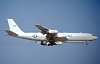
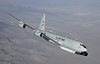
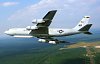
fulfil the needs of both the US Army and Air Force. As originally conceived, the project was intended to utilise new-build Boeing 707 airframes which were still being produced as the E-3 Sentry AWACS aircraft. Unfortunately, budgetary constraints resulted in the choice of decidedly second-hand, high time Boeing 707-320 series airliners which were obtained from multiple sources and designated as E-8. These aeroplanes were completely rebuilt by the prime contractor, Northrop Grumman at facilities in Melbourne, Florida and Lake Charles, Louisiana as well as other sub-contractors. The most notable external feature of the Joint STARS aeroplane is a phased array radar antenna located in a 12 metre long "canoe" radome mounted under the forward fuselage. Remarkably, of an estimated 22 B707 airframes involved in the E-8 program, the first and third prototypes were former Qantas aeroplanes as were the first five production examples! Why so many former Qantas aeroplanes were chosen is unknown, although it is tempting to suspect that Qantas maintenance standards made them attractive candidates. In reality, all seven aeroplanes had passed through the hands of multiple owners since leaving Qantas service, so their condition could be expected to have deteriorated with the passage of time and the number of owners. However, it is probably reasonable to say that Qantas maintenance standards at least gave them a "head start". It has been reported (Source: 4) that the program stipulated a maximum total time of 50,000 hours and 20,000 cycles. The table below shows that all the Qantas aircraft were well under those limits when they left Qantas service but there are no records available after having passed through several other operators. One exception where figures are available is the former VH-EBV which was well above these limits by the time it reached the USAF. Some aircraft which joined the program later came from one-owner sources such as the Canadian Armed Forces (4) and the Luftwaffe (1) although others were multiple owner examples which were delivered originally to airlines such as Pan Am (1), Air France (1), Alia (1), Wardair (1), World (1) and American Airlines (3). Although the program was still in its development stages, two Joint STARS aircraft (one being the former VH-EAF) were used with some success in Operation Desert Storm in 1991. After further test and evaluation flying, an E-8A and an E-8C were deployed to Bosnia in December 1995 to March 1996. Other deployments are shown in the table below. Test and evaluation flying highlighted several shortcomings which were mostly related to the choice of platform (i.e. blame the aeroplane!) It was reported that limited engine power made it difficult to reach the aircraft's normal operating altitude of 36,000 feet, much less the 42,000 feet required by the Joint STARS mission. It was also found that the aircraft needed a runway length of 11,000 feet when taking-off with a fuel load of 140,000 pounds, whereas the standard NATO runway length was 8,000 feet. These shortcomings resulted in a reduction of aircraft converted from an original concept for as many as 35 to the final production run of 13 aircraft (not including the 3 development aircraft). As early as 1992, it was being suggested that the system should be installed in a more modern airframe such as the Boeing 767-200ER. Nevertheless, the E-8s have continued in service, having been used more recently in Afghanistan and Iraq. In 2002, funding was approved for a 17th production aircraft. The E-8 was originally operated by the 93rd Air Control Wing based at Robbins AFB in Georgia. In 2002 the unit became the 116th Air Control Wing with personnel drawn from active duty and the Air National Guard although still based at Robbins. On 17 December 2008, the former VH-EAA was rolled out at Northrop Grumman's Melbourne, Florida facility after fitment of Pratt & Whitney JT8D-219 engines. Although it was intended that the other aircraft would be similarly modified, funding was not forthcoming and only one aeroplane was modified. |
|
QANTAS
BOEING 707 IN THE JSTARS PROGRAM
|
|||
|
QANTAS
REGN
|
HOURS
|
CYCLES
|
INTERVAL
|
|
VH-EAA
|
34398
|
10698
|
14
|
|
VH-EAB
|
34274
|
11882
|
8
|
|
VH-EAF
|
33163
|
12959
|
8
|
|
VH-EBT
|
37492
|
14033
|
16
|
|
VH-EBU
|
32283
|
13206
|
17
|
|
VH-EBV
|
30484
|
11537
|
(Note
4) 15
|
|
VH-EBW
|
27442
|
9929
|
19
|
|
NOTES
|
|
|
1
|
Interval is approximate years between Qantas and JSTARS. |
|
2
|
Hours and Cycles are at the end of Qantas service. |
|
3
|
Hours are rounded. |
|
4
|
On sale to the USAF, the former VH-EBV is reported to have had a total time of 62750 hours and 20446 cycles. (Source: 10) |
|
JSTARS
DEPLOYMENTS
|
|
|
12JAN91
|
The two E-8As arrived at Riyadh, Saudi Arabia having been removed from their evaluation program to participate in Operation Desert Storm to liberate Kuwait from occupying Iraqi forces. |
|
14JAN91
|
The first E-8A mission was flown on Operation Desert Storm. |
|
28FEB91
|
By the end of February the E-8s had completed 49 missions totalling 535 hours with operational availability exceeding 80%. |
|
DEC95
|
One E-8A and one E-8C were deployed on Operation Joint Endeavour to monitor the peace in Bosnia |
|
DEC95
|
Both aircraft were recalled to the US after 95 sorties. |
|
SEP96
|
Both aircraft were recalled to Bosnia for Operation Joint Guard. |
|
19JUN98
|
Operation Joint Guard ended. |
|
MAR99
|
Two E-8 deployed to Rhein-Main AFB, Germany on Operation Allied Force for further operations in Yugoslavia. |
|
10JUN99
|
Operation Allied Force ended. |
|
07OCT01
|
In the wake of the September 11 attacks, Operation Enduring Freedom commenced with E-8 based at Al Udeid AFB, Qatar for operations against terrorist forces in Afghanistan. Operation Enduring Freedom lasted until 28 December 2014. |
|
20MAR03
|
Several E-8 were deployed to Saudi Arabia for Operation Iraqi Freedom which commenced on this date. |
|
01SEP10
|
Operation Iraqi Freedom ended. |
|
01SEP10
|
Operation New Dawn commenced covering the withdrawal of U.S. forces from Iraq. |
|
23MAR11
|
One E-8C was deployed to Rota, Spain on Operation Unified Protector which began on this date fighting the Libyan dictator Muammar al-Gaddafi. |
|
31OCT11
|
Operation Unified Protector ended. |
|
11JAN13
|
Operation Serval began at the request of the French government against Islamic militants in Mali. |
|
15JUN14
|
Operation Inherent Resolve commenced counter-terrorist activities against the Islamic State of Iraq and Syria. |
|
15JUL14
|
Operation Serval ended. |
|
JAN15
|
Operation Enduring Freedom was replaced by Operation Freedom's Sentinel for continued counter-terrorist activities in Afghanistan. |
|
Sources:
4 & 12
|
|
|
USAF
|
TYPE
|
CONV.
NO
|
BOEING
|
MSN
|
ORIG
ID
OWNER |
REMARKS
|
|||||||||||||||||||||||
|
-
|
-
|
-
|
707-338C |
19628
|
VH-EAH
QANTAS |
|
|||||||||||||||||||||||
|
86-0416
|
E-8A
|
FSD-1
T-1 |
707-338C |
19626
|
VH-EAF
QANTAS |
|
|||||||||||||||||||||||
|
86-0417
|
E-8A
TE-8A |
FSD-2
T-2 |
707-323C |
19574
|
N8411
American |
|
|||||||||||||||||||||||
| 88-0322 | YE-8B |
-
|
E-6A/YE-8B |
24503
|
-
|
|
|||||||||||||||||||||||
|
90-0175
|
E-8C
TE-8C |
FSD-3
T-3 |
707-338C |
19621
|
VH-EAA
QANTAS |
|
|||||||||||||||||||||||
|
92-3289
|
E-8C
|
P-1
|
707-338C |
19622
|
VH-EAB
QANTAS |
|
|||||||||||||||||||||||
|
92-3290
|
E-8C
|
P-2
|
707-338C |
19295
|
VH-EBV
QANTAS |
|
|||||||||||||||||||||||
|
93-0597
|
E-8C
|
P-3
|
707-338C |
19294
|
VH-EBU
QANTAS |
|
|||||||||||||||||||||||
|
93-1097
|
E-8C
|
P-4
|
707-338C |
19296
|
VH-EBW
QANTAS |
|
|||||||||||||||||||||||
|
94-0284
|
E-8C
|
P-5
|
707-338C |
19293
|
VH-EBT
QANTAS |
|
|||||||||||||||||||||||
|
94-0285
|
E-8C
|
P-6
|
707-373C |
19442
|
N370WA
World |
|
|||||||||||||||||||||||
|
95-0122
|
E-8C
|
P-7
|
707-3D3C |
20495
|
JY-ADP
Alia |
|
|||||||||||||||||||||||
|
95-0121
|
E-8C
|
P-8
|
707-321C |
20016
|
N870PA
Pan Am |
|
|||||||||||||||||||||||
|
96-0042
|
E-8C
|
P-9
|
707-347C CC-137 |
20319
|
13705
C.A.F. |
|
|||||||||||||||||||||||
|
96-0043
|
E-8C
|
P-10
|
707-347C CC-137 |
20316
|
13702
C.A.F. |
|
|||||||||||||||||||||||
|
97-0100
|
E-8C
|
P-11
|
707-355C |
19986
|
F-BJCM
Air France |
|
|||||||||||||||||||||||
| 97-0200 | E-8C |
P-12
|
707-347C CC-137 |
20317
|
13703
C.A.F. |
|
|||||||||||||||||||||||
|
97-0201
|
E-8C
|
P-13
|
707-347C CC-137 |
20318
|
13704
C.A.F. |
|
|||||||||||||||||||||||
|
99-0006
|
E-8C
|
P-14
|
707-307C |
19998
|
10+02
Luftwaffe |
|
|||||||||||||||||||||||
| 00-2000 | E-8C |
P-15
|
707-396C |
20043
|
CF-ZYP
Wardair |
|
|||||||||||||||||||||||
| 01-2005 | E-8C |
P-16
|
707-323C |
19382
|
N7567A
American A/L |
|
|||||||||||||||||||||||
| 02-9111 | E-8C |
P-17
|
707-323C |
19581
|
N8401
American A/L |
|
|||||||||||||||||||||||
|
JSTARS
SERIALS
|
|
|
USAF
|
MSN
|
|
-
|
19628
|
|
86-0416
|
19626
|
|
86-0417
|
19574
|
|
88-0322
|
24503
|
|
90-0175
|
19621
|
|
92-3289
|
19622
|
|
92-3290
|
19295
|
|
93-0597
|
19294
|
|
93-1097
|
19296
|
|
94-0284
|
19293
|
|
94-0285
|
19442
|
|
95-0122
|
20495
|
|
95-0121
|
20016
|
|
96-0042
|
20319
|
|
96-0043
|
20316
|
|
97-0100
|
19986
|
|
97-0200
|
20317
|
|
97-0201
|
20318
|
|
99-0006
|
19998
|
|
00-2000
|
20043
|
|
01-2005
|
19382
|
|
02-9111
|
19581
|
(Known retirements are shaded)
|
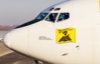
86-0416 (VH-EAF)
|
|||
 |
 |
|
|
|
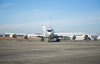
90-0175 (VH-EAA)
|
|||
 |
 |
|
|
|
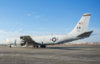
92-3289
(VH-EAB)
|
|||
 |
 |
 |
 |
|
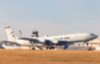
92-3290 (VH-EBV)
|
|||
 |
 |
|
|
|
94-0284 (VH-EBT)
|
|||
 |
 |
|
|
|
SOURCES
|
|
|
1
|
USAF press release. |
|
2
|
Northrop Grumman press release. |
|
3
|
Joint STARS www.globalsecurity.org |
|
4
|
Santana,
Sergio, 2019, E-8 JSTARS, Schiffer Publishing. Caution: The production list on the last page has 12 errors. |
|
5
|
FAA Register. |
|
6
|
Joe Baugher http://www.joebaugher.com/usaf_serials/usafserials.html |
|
7
|
Aviation Letter 467/7 |
|
8
|
https://www.planelogger.com/Aircraft/ConstructionList/707+720+E-3A |
|
9
|
Freebird Aviation Database |
|
10
|
Aviation Letter 308/13 |
|
11
|
http://www.rwrwalker.ca/CF_CC_137.html |
|
12
|
Wikipedia |
|
13
|
http://www.amarcexperience.com/ |
|
Issue
|
Date
|
Remarks |
|
9
|
08MAR22
|
Added a summary of serial numbers. |
|
8
|
18FEB22
|
Recorded
the retirement of the former VH-EAB and added four images of the aircraft. Reformatted the image gallery. |
|
7
|
15JUN20
|
Major update from sources shown. The table of aircraft has been reformatted for clarity. |
|
6
|
08SEP12
|
Added the name "Belle of Middle Georgia" for 92-3289. |
|
5
|
13APR11
|
Some sources state that MSN 19628 (VH-EAH) was scrapped by Northrop Grumman at Melbourne, Florida as N780JS. Photographic evidence that the aircraft is still in Libya as 5A-DTF suggests that the aircraft was not accepted for the Joint STARS program but instead became TF-IUD and 5A-DTF. Thanks to Jim Tomlinson for pointing out the anomaly. |
|
4
|
25OCT10
|
Major update to reflect the full production of 17 aircraft. Additional information drawn from http://www.targetlock.org.uk/e-8/production.html |
|
3
|
22OCT10
|
Added one image of the former VH-EBV and two images of the former VH-EBT thanks to Jim and Jacob Forst. |
|
2
|
24OCT05
|
Added a reference to 96-0042 (a non-Qantas aircraft) being damaged by Hurricane Rita. |
|
1
|
30MAR05
|
Original issue |